Saturday, August 16, 2014

Here and there..

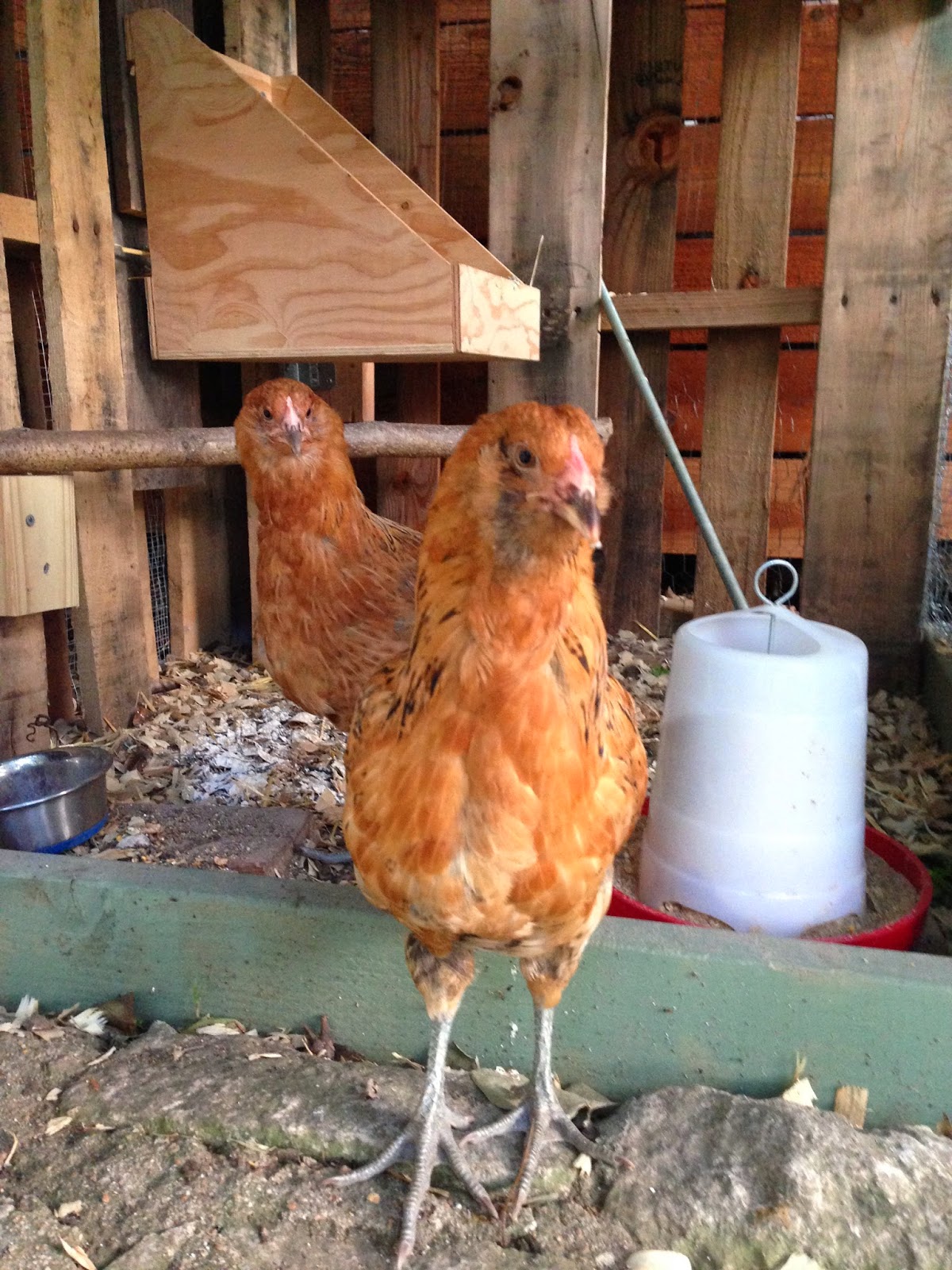
Back from a trip to Alaska, all rain, moss and salt water... In Austin the yard is scorched, but I can still find spots of green and color. The big coop is complete, and more ladies are laying, leading to breakfast yumminess..

Wet...


Glaciers in the distance in Resurrection Bay


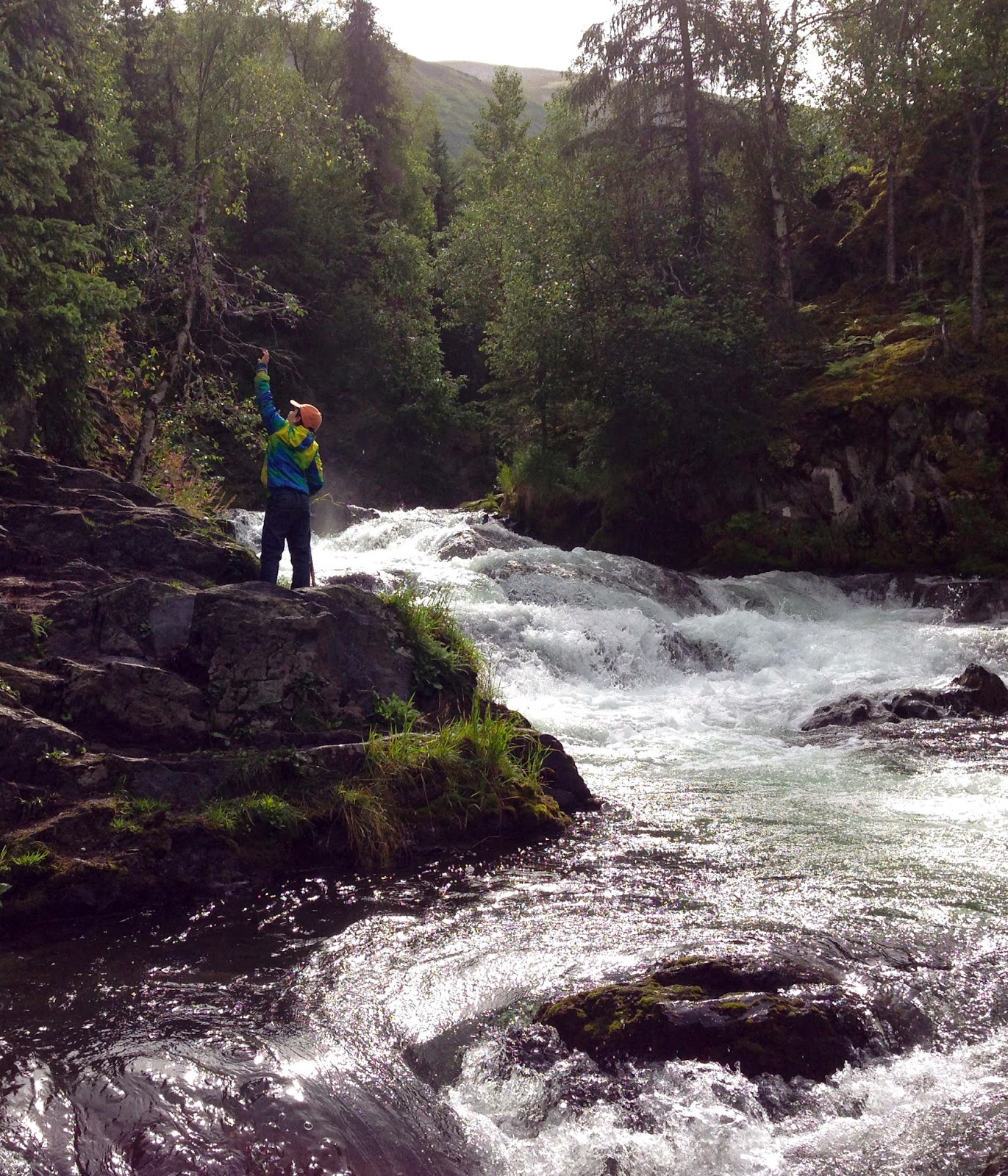
Watching salmon jump upstream in the Russian River


Snacking on salmon caught and smoked by my father-in-law at a campfire in Homer..


Lakeside marshlands..


Moss on a car- results of the temperate rain forest..


Moss and texture


Wild fungi everywhere


Driftwood puzzles..

Dry...


Cenizo blooms holding on a bit longer..


Geranium and transplanted pineapple top brighting up the shade


Ignored and in a dry box of afternoon light, this flame acanthus is stubborn and resilient (will plant a drift of them in the ground this fall..)


The back of the addition which has transitioned from bare post-contruction dust, to wildflower haven, and now an arid buffalo and wire grass corner..


Succulents peeking out from an asparagus plant..

Yummy..


Kudos to variety- eggs from my Cuckoo Maran, Catalana, Wyandotte and English Sussex


Speckled egg from a speckled hen?


Tuesday, July 29, 2014

Busy bee

At first I thought it was just a fly, but no..


It's a Metallic Green Native bee, Augochlora species..

I've also spied a few cardinals eating the chicken scratch, along with the usual doves..


My non-natives are doing well- the new bantams are settling in and enjoy melon seeds immensely..

The big girls continue to scratch (and fertilize!) the back..

Only my carrots (previously decimated by the girls above) have underperformed. After weeks of looking the same, I pulled them up to discover that the biggest only grew to the size of my thumbnail..

It is a good thing I don't have to survive off these!

Thursday, July 24, 2014

Flash of color..


Passionflower vine, looking like a Mardi Gras costume.. I actually don't know if this larger one bears fruit- I have a smaller leaved vine that grows amid my oregano and coral honeysuckle that puts out bright red tiny passionfruits. They are smaller than the ones I grew up eating in El Salvador (we called them grenadillas). The Salvadoran ones were sized like small maracas and we'd sit around the dining table scooping out their sweet tart seeds with spoons.. My youngest likes to eat the ones we have here (as do the birds, which is probably why I have so many volunteers!). I'll be curious to see if the chickens like them, too...

Speaking of which..

Psst.. the chicken lady let us out this evening. We loved the worms we found, but got spooked by that big Silver Wyandotte head chicken that pecked at us a few times.. 

Wednesday, July 16, 2014

Birds with no name..


Americaunas or Easter Eggers? When I can get my kids to focus, I'll give them names. It was a Craigslist thing, finding bantams that lay blue eggs. I couldn't help myself. These are the last ones, I swear..


Foliage follow up- Buffalo grass is established in the xeriscape back. This picture is after weeding and trimming for all of a Sunday afternoon! My Mexican plums are thumbnail sized- what will they taste like? And can I remember what name of Texas sage this is??


Sunday, July 13, 2014

Little bits

Glorious to spend the weekend in the garden, despite mosquitos and blazing sun.. I nabbed a few happy zinnias from the yard..


But this is where they really ended up.. typical vignette in my house!


He.will.protect.them.from.the.cats....

Took my eldest for a walk on the new Town Lake (ahem, Lady Bird Lake, not used to that yet!) boardwalk, and managed to get a pic of one of the cute birds that have been hanging around my yard this summer.. (in someone else's yard, of course)..


It's a Texas Ruby Red House finch (PhoCarpodacus mexicanus) and they have an interesting story- they were native to Mexico and the Western US. About 1940 a few dozen House Finches were brought from Los Angeles, CA, to New York City by cage-bird dealers. The dealers released their captives on Long Island, NY, when they feared a raid by federal authorities. The population increased slowly and then began an explosive expansion.. 

Speaking of non-natives, I snapped a pic of a ubiquitous little guy last night while letting the cat in (again and again..)..

Love his vertical eye pupil.. He's a Common House Gecko - Hemidactylus frenatus- they came over on ships and live all over our houses, stalking insects near our porch lights. If he can clear out a few mosquitoes for me I'll be much obliged!

The new hens are settling into their new abode well. Here's a picture showing the run and summer hen house in full.. It's really meant to be used when we leave town so the girls can have room but be safe for a few days, but it is working well as a halfway house for the new ladies..


The older girls need to stop picking on my plumbago plant though! I have moved it out of their main line-of-sight in the hopes it will recover..


A sad plant indeed..

So while weeding, watering and trimming the back madly today, I found the cutest out of place plant- a bluebonnet rosette looking like it was March still..

I love these little surprises..


Saturday, July 12, 2014

Chicken compulsion?

I could not help myself. Ruby (my only chicken old enough to lay) went on a laying strike. Maybe she is molting, maybe it's the heat. But I found some pallets.. and scrap wood.. and missed using my circular saw and drill....

Next thing you know I've built a chicken run ("for when we go on vacation..") and have brought home two more bantams... After all, Ruby is the only mini amidst three amazonian teenagers, and I'm sure she wants company..


This is Blondie.. She's a bantam Catalana, a fairly obscure breed in the US that is apparently popular in Latin America. They do well in the heat and while the breed isn't apparently docile, this girl seems pretty mellow when I pick her up (though she likes to talk!)..


This girl is Iggy Pop- named because of her jutting chest and striking eyes (and swagger!). She's an Old English game bantam, (they used to be bred for fighting but now are bred to be pretty) and is teeny. The breed is apparently very fun and can be docile but I think I'll need to bribe this lady a bunch since she wiggles like crazy when I pick her up..


On their roost in the new aerie (and in quarantine for 10 days before I let them mingle with the other girls). Next crafty project is to decorate the run.. (after I hammer in all the staples holding the hardware cloth in..)


Not to be outdone, Ruby finally laid another egg today- it'd been three weeks! The big girls (due to lay soon!) clustered around her interestedly- maybe I'll be getting some eggs from them soon?

Happy weekend!


Monday, July 7, 2014

A trip to the Wildlife Rescue Center

I found my cat with a teeny white winged dove fledgeling in his mouth the other day. It hopped around and hid behind a tree stump when Toby dropped it, so I picked it up and took it to the Wildlife rescue Center on MLK. I think the fact that it couldn't fly saved it- it just wasn't that interesting to my feline.. It was pretty cute curled up in a crate in the car..


Unfortunately now I have Stevie Nick's song "White Winged Dove" in my head.. 

While at the Rescue Center I saw this interesting guy in a crate getting ready to be reintroduced to the wild..

He's a porcupine! I thought they lived in cooler climates, but there are some native to Texas- The yellow-haired porcupine (Erethizon dorsatum) is found from the western half of the state east to Bosque County. It is adapted to a variety of habitats and, in recent years, has expanded into South Texas. Porcupines are expert at climbing trees but are as much at home in rocks as on the ground or in trees. The position of the quills can be a good indicator of the porcupine's mood. When the animal is relaxed and unafraid, the quills lie flat, hidden under a layer of long guard hairs. If the animal is disturbed or threatened in any way, the quills stand erect and the porcupine is ready for battle. The slightest touch on a single quill or guard hair also brings them erect, turning the creature into a living pincushion. This guy looked a bit wary, so I kept my distance!

Finally,  I found a fun late-bloomer in my native wildflower patch:

Chamaecrista fasciculata - Partridge pea is an annual wildflower that fixes nitrogen like other plants in the pea family. It’s flowers attract bees and butterflies. Seed pods are eaten by gamebirds and songbirds, and the plant provides excellent cover for gamebirds and browse for deer. Leaves collapse when touched, giving rise to the common name Sensitive-plant.

Happy gardening!